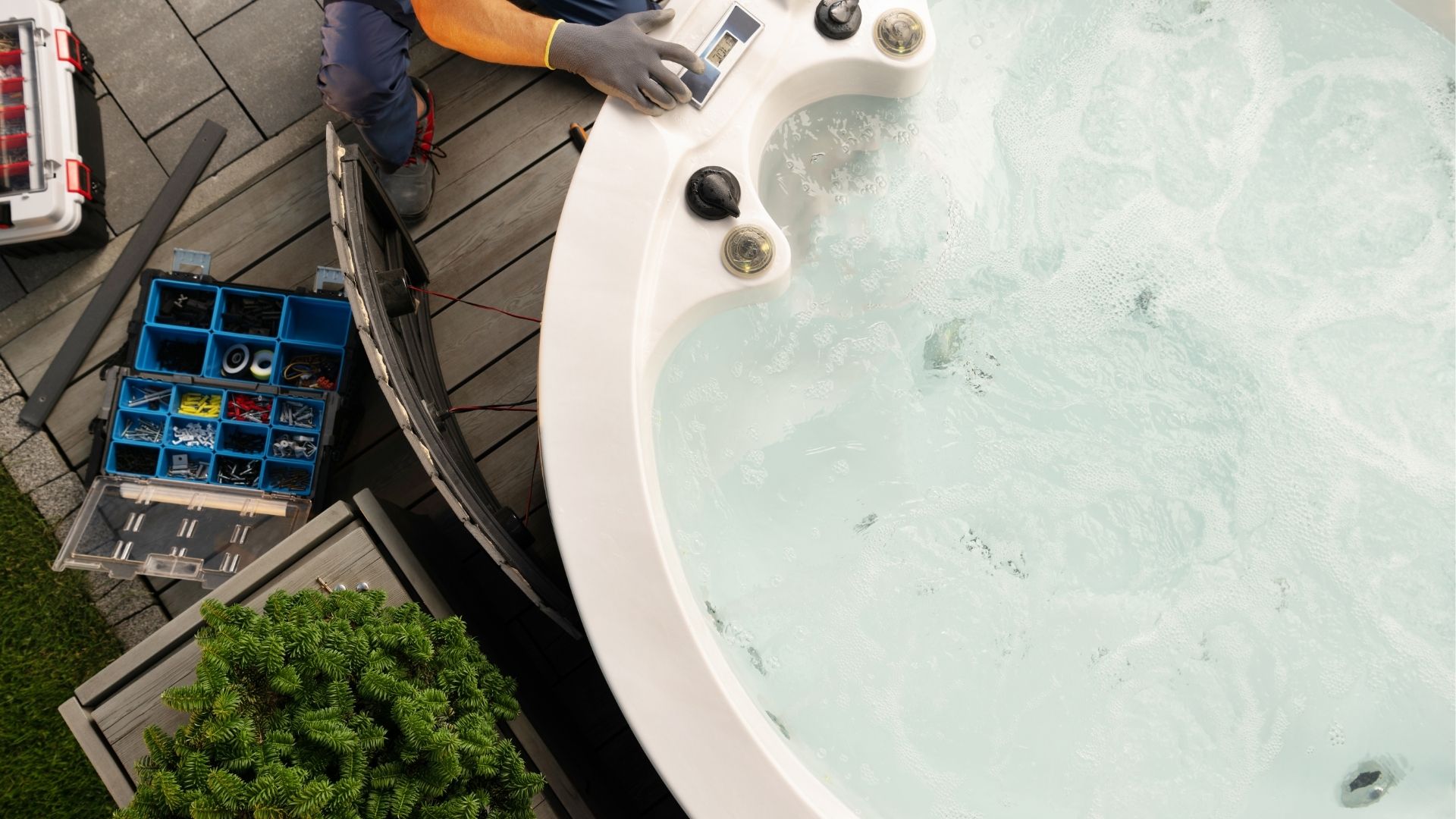
Can You Make an Older Hot Tub Cheaper to Run?
If you own an older hot tub, you may have noticed that it costs more to run than it used to. The water may take longer to heat, the cover may feel heavy, the filters may need more attention, or the spa may simply seem less efficient than it once was.
The good news is that you may not need to replace your hot tub straight away. In many cases, there are practical ways to improve efficiency, reduce wasted energy and help your spa run more smoothly.
Spafix supports hot tub owners with servicing, repairs, maintenance, replacement parts and upgrade advice to help keep spas working efficiently for longer.
Can an Older Hot Tub Be Made Cheaper to Run?
Yes, an older hot tub can often be made cheaper to run by improving heat retention, replacing a damaged cover, cleaning or replacing filters, repairing leaks, checking the heater and pumps, reviewing settings and considering energy-saving upgrades such as a heat pump.
Not every older hot tub will be worth upgrading, but a professional inspection can help identify whether servicing, repairs or replacement parts could improve efficiency.
Why Older Hot Tubs Can Cost More to Run
As a hot tub gets older, parts naturally begin to wear. Even if the spa still works, it may not run as efficiently as it once did.
Higher running costs can be caused by:
- Poor heat retention
- A damaged or waterlogged cover
- Dirty or worn filters
- Heating issues
- Pump strain
- Leaks
- Poor insulation
- Incorrect settings
- Worn components
- Lack of regular servicing
Small inefficiencies can add up over time. A hot tub that is losing heat, struggling to circulate water or working harder than necessary may use more energy than it should.
1. Check the Hot Tub Cover
Your hot tub cover is one of the most important parts of the spa when it comes to energy efficiency. A good cover helps keep heat in, protect the water and reduce how hard the heater has to work.
An older cover may be costing you money if it is:
- Waterlogged
- Heavy to lift
- Cracked or split
- Sagging in the middle
- Not sealing properly
- Damaged around the hinge
- Letting steam escape
- Allowing rainwater or debris into the spa
A waterlogged cover is especially inefficient because it loses insulation value and becomes harder to handle. If your cover feels unusually heavy or no longer sits properly on the spa, replacing it may make a noticeable difference.
2. Clean or Replace the Filters
Filters affect more than just water clarity. If they are dirty, blocked or worn, your hot tub has to work harder to circulate water.
Poor filtration can lead to:
- Weak flow
- Heating issues
- Cloudy water
- Error codes
- Pump strain
- Reduced efficiency
Cleaning your filters regularly can help improve performance. However, if the filters are old, damaged or no longer cleaning properly, replacing them may be more effective.
If your hot tub is older, filter condition is one of the easiest areas to check first.
3. Make Sure the Heater Is Working Properly
If your hot tub is taking longer than usual to heat, the heater may not be working efficiently. However, slow heating does not always mean the heater itself is faulty.
Heating problems can also be caused by:
- Dirty filters
- Poor water flow
- Sensor issues
- Low water level
- Circulation faults
- Control system issues
- Heat loss from a damaged cover
A professional engineer can test the system and identify whether the heater is performing correctly or whether another issue is affecting heating.
This is important because replacing the wrong part can become expensive and may not solve the problem.
4. Look for Leaks or Water Loss
A leaking hot tub can waste more than water. If warm water is escaping, the spa has to refill, reheat and rebalance more often.
Signs of a possible leak include:
- Water pooling around the base
- Damp patches near the cabinet
- Regularly needing to top up
- A sudden drop in water level
- Dampness inside the cabinet
- Drips around pipework, pumps or unions
Even a small leak can affect running costs and may cause further damage if ignored. If you are topping up your hot tub more often than usual, it is worth arranging a professional inspection.
5. Review Your Temperature and Settings
Sometimes, running costs can be improved by reviewing how the hot tub is set up and used.
You may be able to improve efficiency by:
- Keeping the cover on when not in use
- Avoiding unnecessary temperature changes
- Checking filtration cycle settings
- Using economy or sleep modes where suitable
- Making sure jets and air controls are not left open unnecessarily
- Keeping the spa at a sensible temperature for your usage
- Following the manufacturer’s recommendations
The best settings depend on how often you use your hot tub. A spa used every day may need a different approach from one used only at weekends.
If you are unsure, Spafix can advise on suitable settings for your hot tub and usage pattern.
6. Check Pumps and Circulation
Your hot tub relies on pumps to move water through the system. If pumps are worn, noisy or struggling, they may affect circulation, heating and filtration.
Warning signs include:
- Weak jets
- Poor water movement
- Unusual pump noises
- Humming or vibration
- Error codes
- Flow problems
- Water not heating properly
- Water quality problems
A pump does not always fail suddenly. Sometimes it gradually becomes less effective, which can make the spa work harder over time.
Regular servicing can help identify pump issues before they become more serious.
7. Improve Heat Retention Where Possible
Older hot tubs may not retain heat as well as newer models. While some insulation issues are built into the design of the spa, there may still be ways to reduce heat loss.
This may include:
- Replacing a poor cover
- Checking the cover seal
- Repairing cabinet damage
- Reducing exposure to wind
- Using a sheltered location where possible
- Checking for missing or damaged insulation
- Repairing leaks that cause heat loss
If your hot tub sits in a very exposed garden, creating some shelter with fencing, screening or a pergola-style structure may also help reduce heat loss caused by wind.
8. Consider a Heat Pump Upgrade
For some hot tub owners, a heat pump can help reduce energy use by heating the water more efficiently than a standard electric heater.
A heat pump may be worth considering if:
- You use your hot tub regularly
- Running costs are a concern
- Your spa is otherwise in good condition
- You want a long-term efficiency upgrade
- You have suitable space for installation
- Your hot tub setup is compatible
A heat pump is not the right choice for every spa, but it can be a useful option for customers looking to reduce running costs over time.
Spafix can advise whether a heat pump is suitable for your hot tub and installation area.
9. Keep Up with Regular Servicing
Regular servicing can help an older hot tub run as efficiently as possible. A service gives the spa a more detailed check and can identify worn parts, developing faults or maintenance issues that may be affecting performance.
A service may help identify:
- Poor water flow
- Heating concerns
- Pump wear
- Leaks
- Filter problems
- Cover issues
- Electrical faults
- General wear and tear
If your spa has not been serviced recently, booking a professional check can be a good first step before deciding whether to upgrade or replace parts.
10. Know When Repair Is No Longer the Best Option
While many older hot tubs can be improved, not every spa will be worth continued repair or upgrade work.
It may be time to consider replacement if:
- Repairs are becoming frequent
- Parts are difficult to source
- Running costs remain high
- The shell or structure is damaged
- The spa has major leaks
- Several components are failing at once
- The cost of repair is close to replacement value
A professional assessment can help you make a practical decision. Sometimes a repair or upgrade makes sense. Other times, replacing the spa may be the better long-term option.
Repair, Upgrade or Replace?
If you are unsure what to do with an older hot tub, it can help to think about three options:
Option | Best for |
Repair | A specific fault on a spa that is otherwise in good condition |
Upgrade | Improving comfort, efficiency or usability on a spa worth keeping |
Replace | When multiple major parts are failing or running costs are no longer practical |
Spafix can provide honest advice based on the condition of your hot tub, the cost of repairs and whether upgrades are likely to be worthwhile.
Make Your Hot Tub More Efficient with Spafix
An older hot tub does not always need replacing. In many cases, a new cover, clean filters, a service, leak repair, pump check or heat pump upgrade can help improve performance and reduce wasted energy.
If your hot tub is becoming more expensive to run, Spafix can help identify the cause and recommend practical next steps.
Contact Spafix today to book a hot tub service, repair visit or efficiency check.
FAQs About Reducing Older Hot Tub Running Costs
Can an older hot tub be made more energy efficient?
Yes, many older hot tubs can be made more efficient by improving heat retention, replacing a damaged cover, cleaning filters, repairing leaks and checking pumps, heaters and settings.
Does a new hot tub cover reduce running costs?
A good-quality, well-fitting cover can help reduce heat loss. If your current cover is waterlogged, damaged or not sealing properly, replacing it may improve efficiency.
Why is my hot tub taking longer to heat?
Slow heating can be caused by a heater issue, dirty filters, poor flow, sensor problems, low water level, circulation faults or heat loss from a damaged cover.
Is a heat pump worth it for an older hot tub?
A heat pump may be worth considering if your hot tub is in good condition, used regularly and compatible with the upgrade. Spafix can advise whether it is suitable for your setup.
Should I repair or replace my old hot tub?
This depends on the condition of the spa, repair costs, parts availability and running costs. If several major components are failing, replacement may be more sensible.
Can Spafix check why my hot tub is expensive to run?
Yes, Spafix can inspect your hot tub, check for common efficiency issues and advise whether servicing, repairs, replacement parts or upgrades may help.
Spafix Showroom
Unit B1, Hazleton Interchange
Lakesmere Road, Waterlooville
Hampshire, PO8 9JU
Contact Spafix
Phone: 023 9354 1154
Email: info@spafix.co.uk
Request a Call Back
Latest Blog Posts
Hot Tub Servicing in Waterlooville: What’s Included & When Should You Book?
4 days agoHot Tub Servicing in Waterlooville: Whats Included & When Should You Book? Owning a hot tub comes with some regular

Hot Tub Repair Costs: What Affects the Price?
2 weeks agoHot Tub Repair Costs: What Affects the Price of a Repair? One of the first questions people ask when something goes wrong
When Is a Hot Tub Repair an Emergency? Faults You Shouldn’t Ignore
3 weeks agoWhen Is a Hot Tub Repair an Emergency? Faults You Shouldnt Ignore Not every hot tub fault means you need an engineer immediately

Hot Tub Servicing in Southampton: What Should Be Checked Before Winter?
4 weeks agoHot Tub Servicing in Southampton: What Should Be Checked Before Winter? As temperatures start to fall, your hot tub has